


Types
Steps to Build an AI Agent from Scratch in Bangalore
Building an AI agent from scratch requires a methodical approach, starting from understanding the problem to choosing the right technologies and tools. Here's a step-by-step guide on how to go about it.
Before you start coding, it’s essential to define the specific problem your AI agent will solve. The clearer the problem definition, the more effective your AI agent will be. Consider questions like: What is the task that needs automation? What outcomes do you expect from the AI agent? Who will use the agent, and how will it integrate into existing systems?

The next step is selecting the appropriate AI algorithms for your problem. Different types of AI agents require different algorithms.The algorithm you choose should align with the problem you want to solve. For a chatbot AI agent, you might use NLP (Natural Language Processing) techniques, while for an image recognition agent, Deep Learning with Convolutional Neural Networks (CNNs) would be ideal.
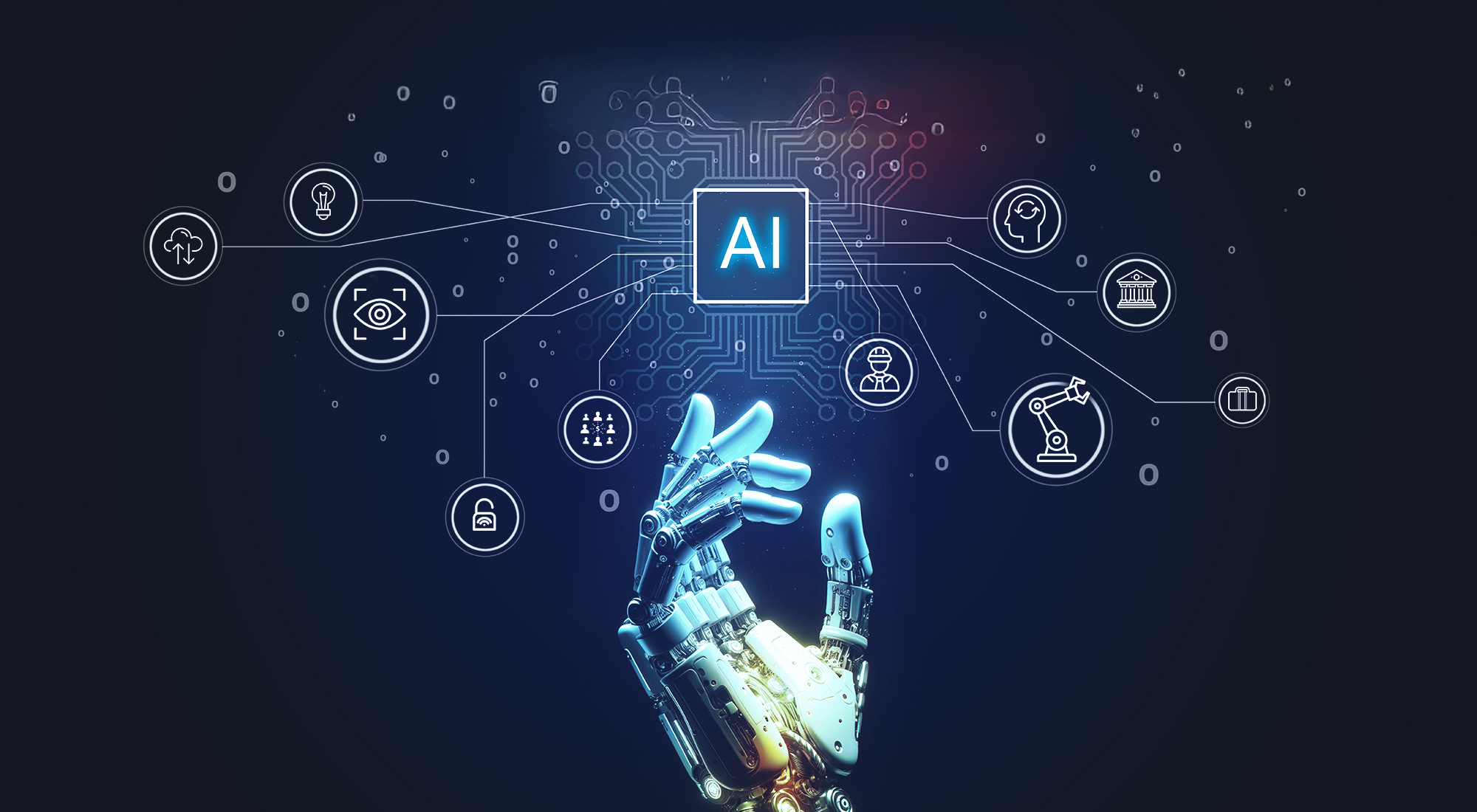
Data is the backbone of any AI agent. Whether you are developing a problem-solving agent or an intelligent assistant, you need to collect relevant data that the AI can learn from. In Bangalore, industries like fintech, healthcare, and retail generate a massive amount of data, which can be used to train AI models.

Once the data is prepared, the next step is to train your model using the selected algorithm. This process involves feeding data into the AI system and allowing it to learn from the patterns and relationships in the data. For example, a customer service AI agent can be trained using conversation data to improve response accuracy.


Case Study:
AI Agents Built in Bangalore
1: AI-powered Customer Support Chatbot
A Bangalore-based e-commerce company built an AI-powered chatbot to provide 24/7 customer support. The AI agent was integrated into their website and mobile app, reducing customer support response time by 60%. The chatbot used NLP to understand customer queries and provide relevant answers.

2: AI for Healthcare Diagnostics
A Bangalore healthcare startup built an AI agent to analyze medical images and assist doctors in diagnosing conditions like pneumonia and lung cancer. By using deep learning algorithms and a large dataset of X-ray images, the AI agent achieved 90% accuracy in detecting diseases.

3: Smart Traffic Management System
An AI-based traffic management system was deployed in Bangalore's busy roads to optimize traffic signals and reduce congestion. The AI agent used data from traffic cameras and sensors to predict traffic patterns and adjust signal timings accordingly.